Brand strategy
Our task was to develop a brand strategy and a communication platform that would work for B2C and B2B audiences at the same time. The first step was research: we wanted to understand how people see loyalty programs in general.
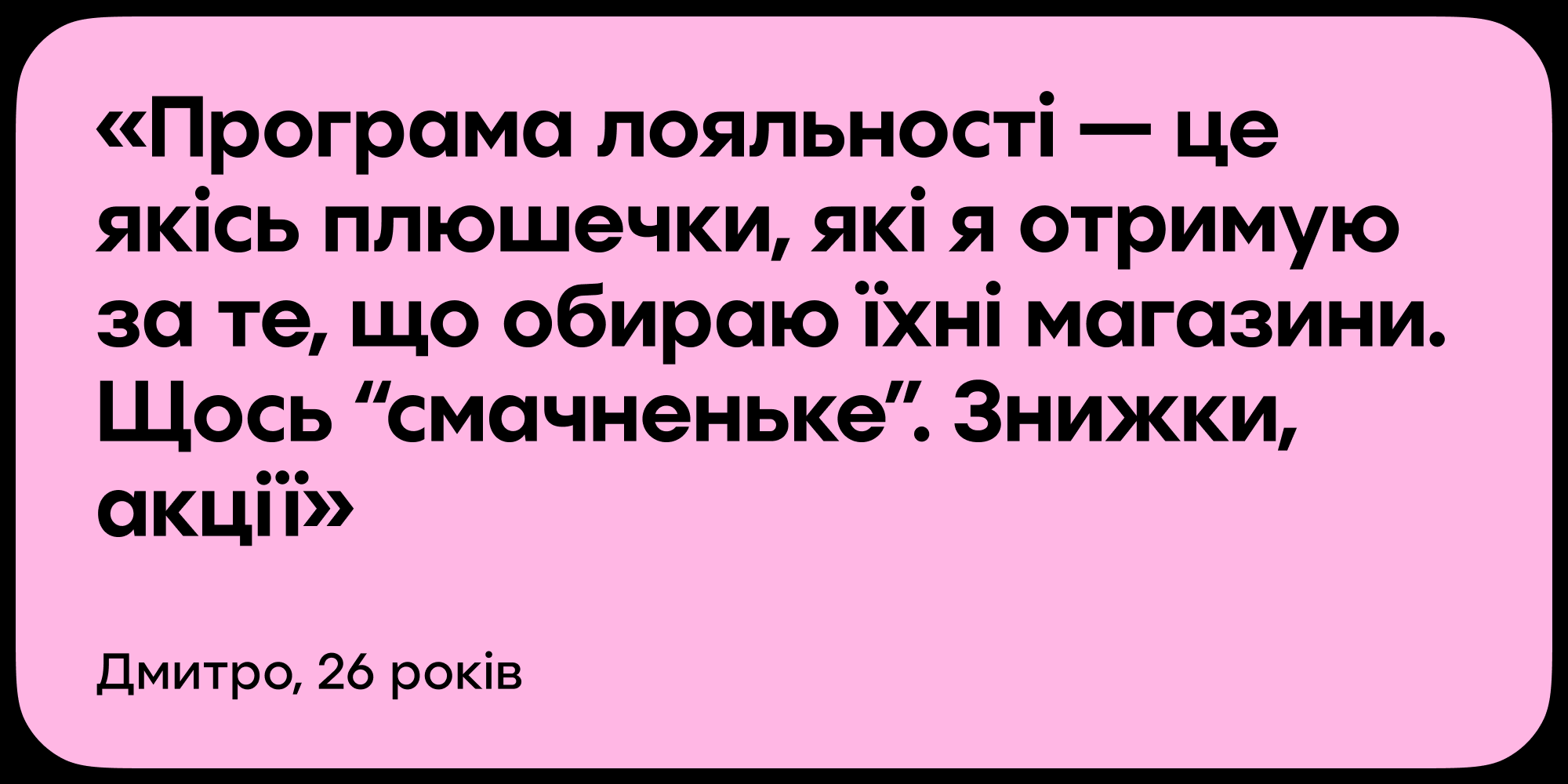
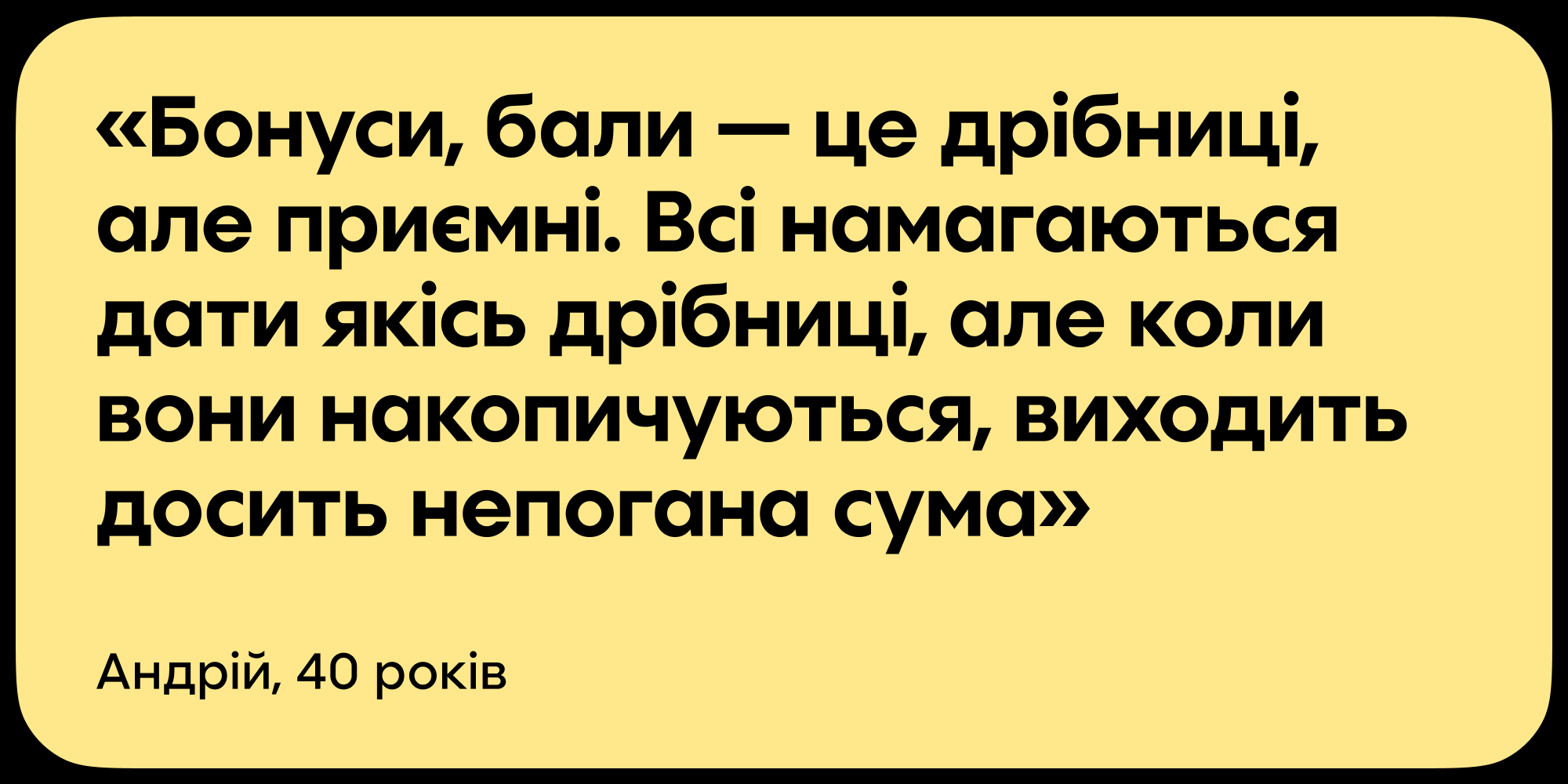
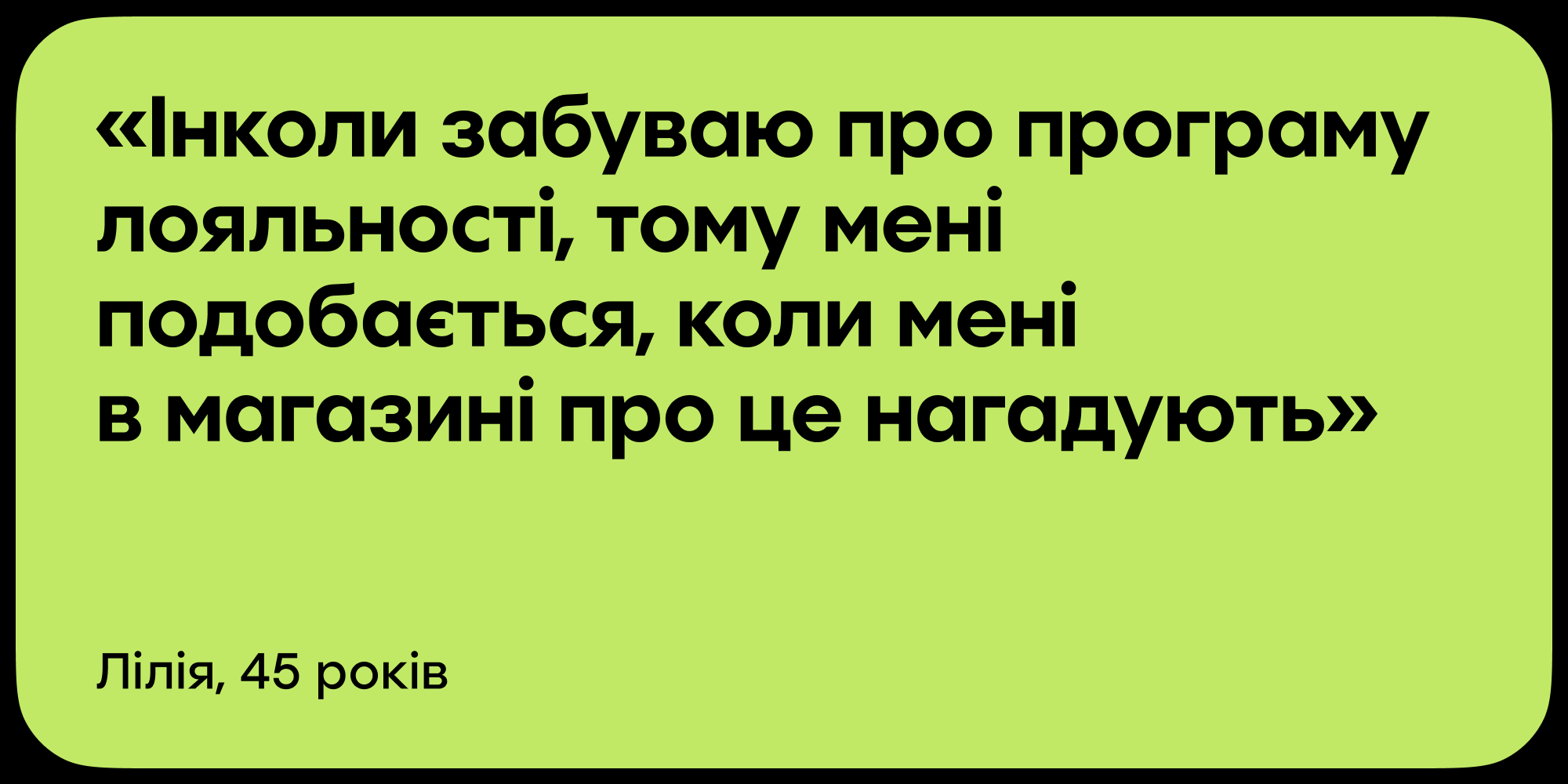
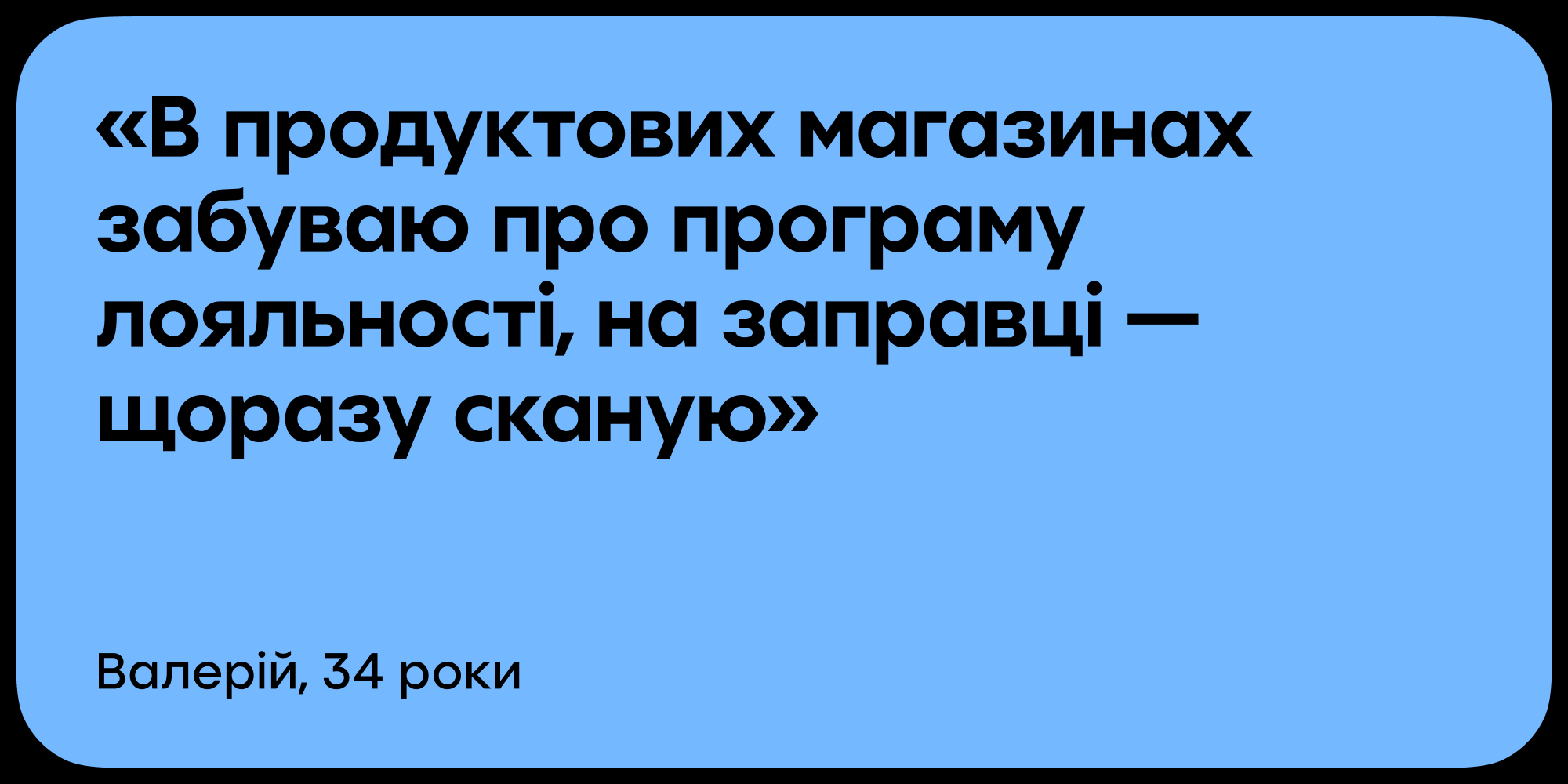
B2C users see a loyalty program as a small extra reward for choosing a particular brand. It is not about overwhelming joy or excitement, but rather a nice bonus, a small pleasure.
We also asked businesses what a loyalty program can give them. We learned that it is an extra channel of engagement and traffic, and therefore an extra nice bonus.
We realised that loyalty programs are always about the pleasant feeling of bonuses, gifts and discounts, and about the pleasure of extra opportunities for business. So this feeling of pleasure is what we wanted to carry into the updated strategy.
What makes Fishka special is that it brings people and businesses together to create bigger opportunities for each other. So reciprocity is another important element we found in the truth about our product.
The brand strategy idea
We thought about how to combine the insight about the pleasure people get from loyalty programs with the product truth built on reciprocity. And we found Fishka’s main brand idea: Mutual benefit.
This strategic concept shaped Fishka’s positioning:
A service
of mutual benefit
It also crystallised the brand’s new mission:
To make relationships
between people and businesses mutually beneficial
Slogan
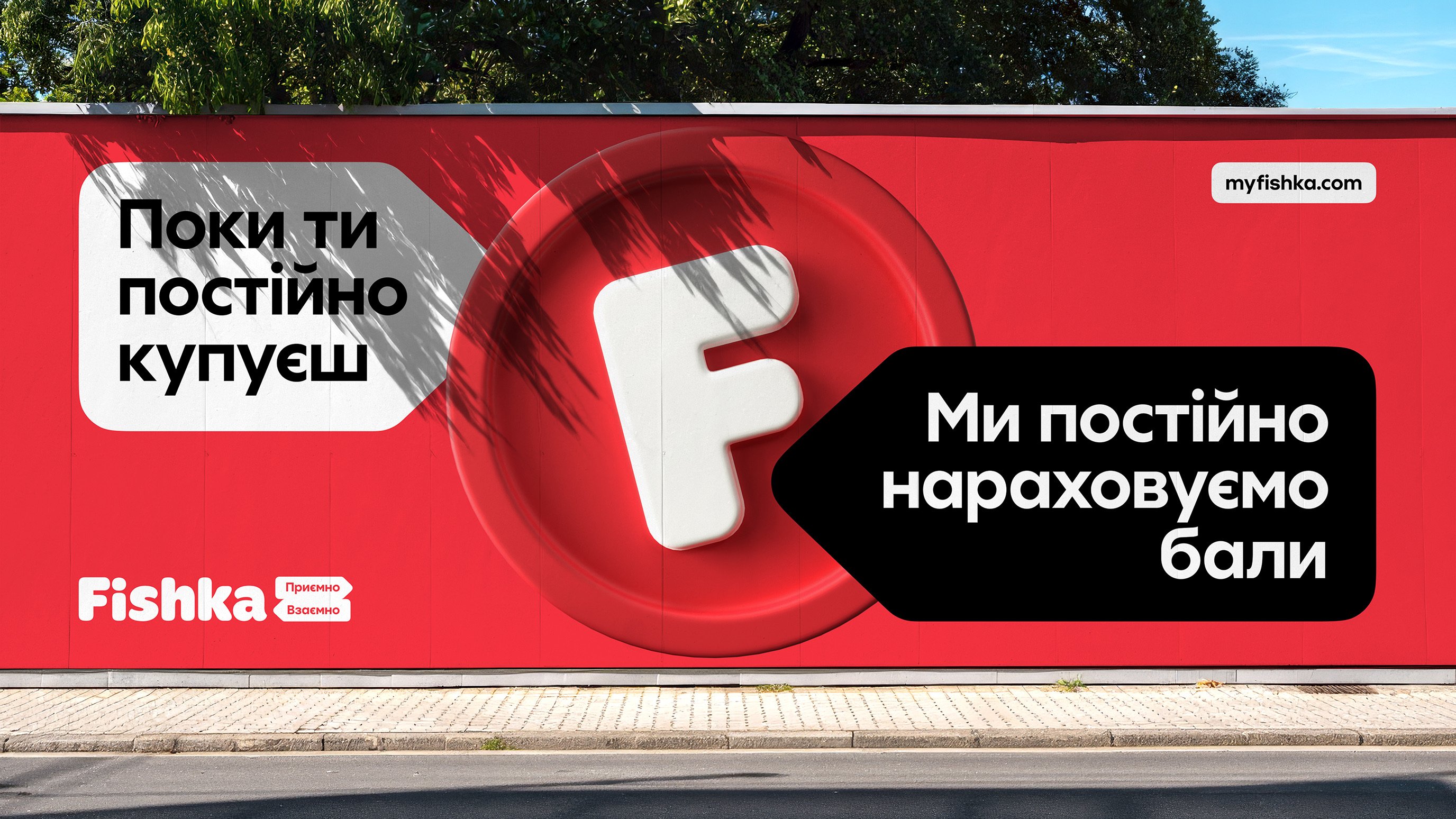
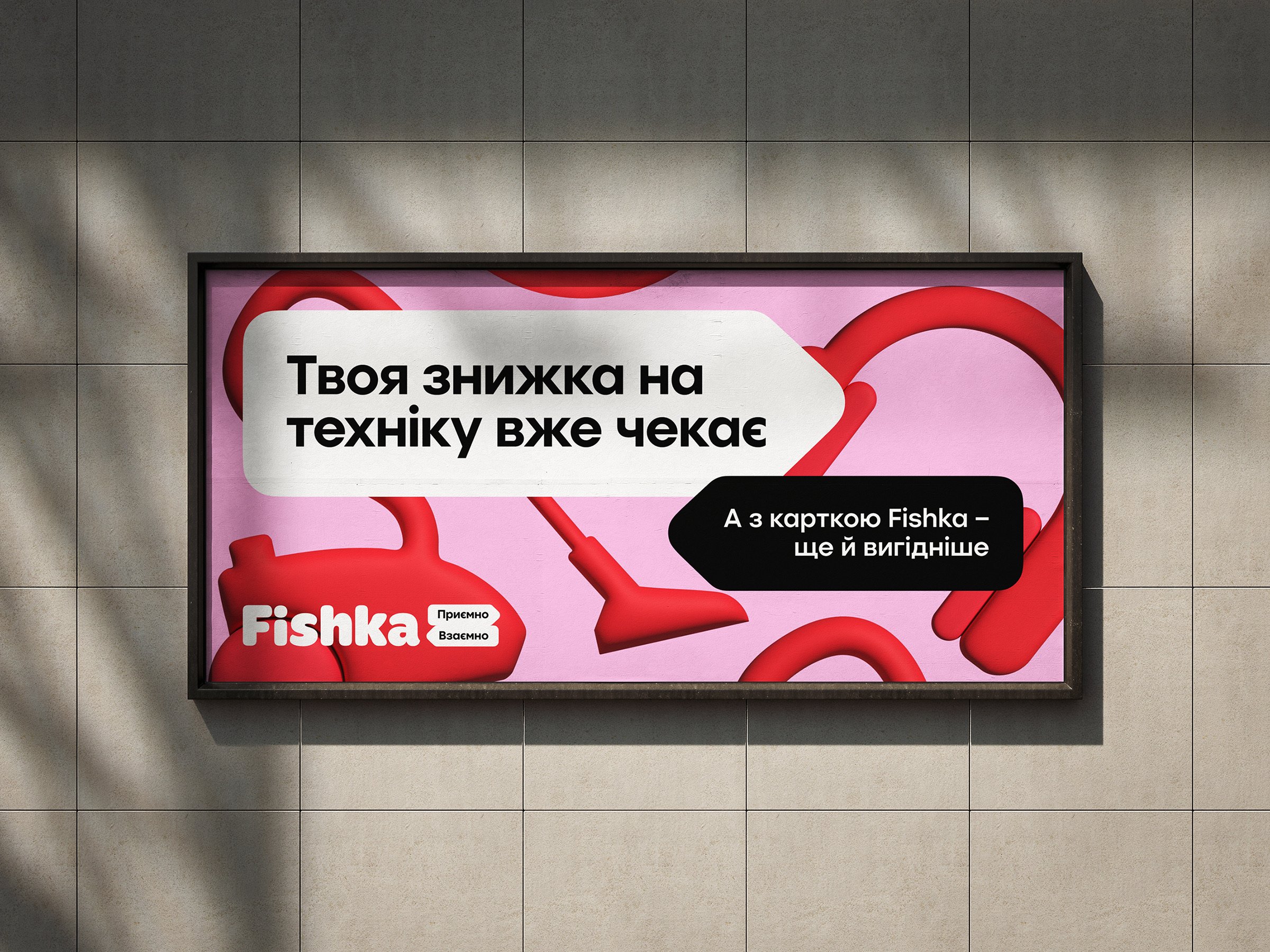
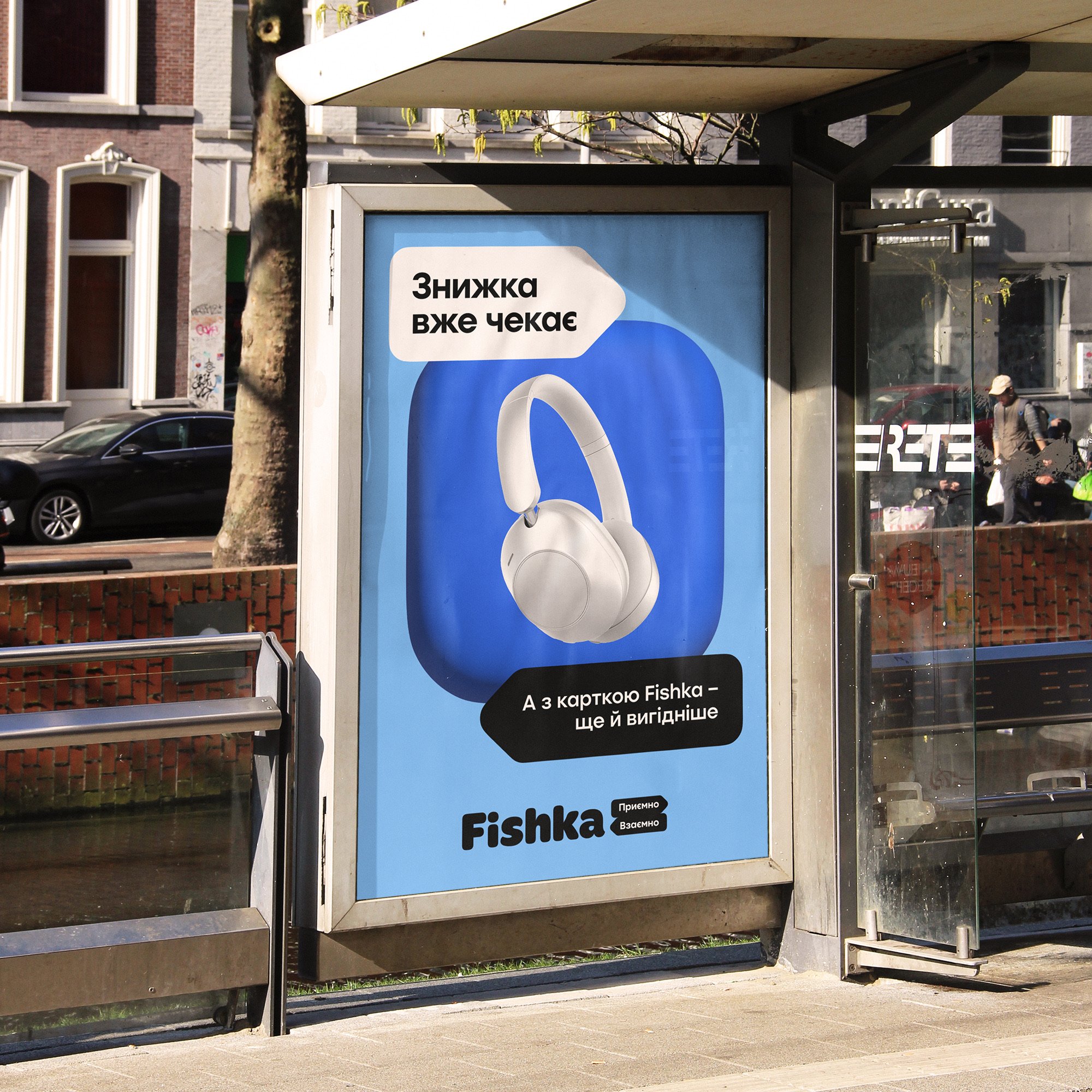
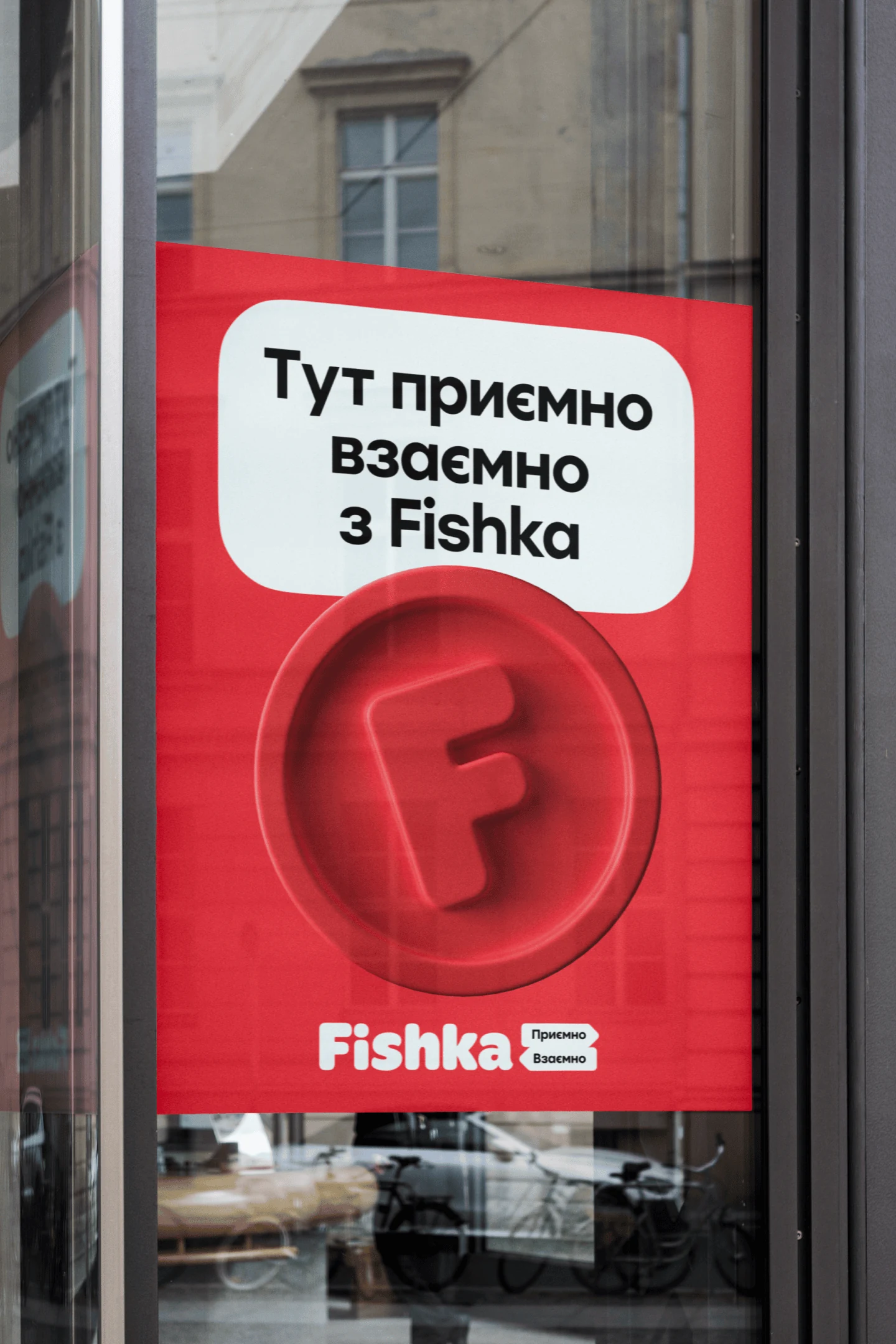
The main brand idea is reflected in the slogan “Nice, mutually”. The “nice” part is about emotion. It can change depending on the different situations in which the brand interacts. But the reciprocity between customers and businesses inside Fishka always stays the same, so the second part of the slogan never changes.
The updated brand voice
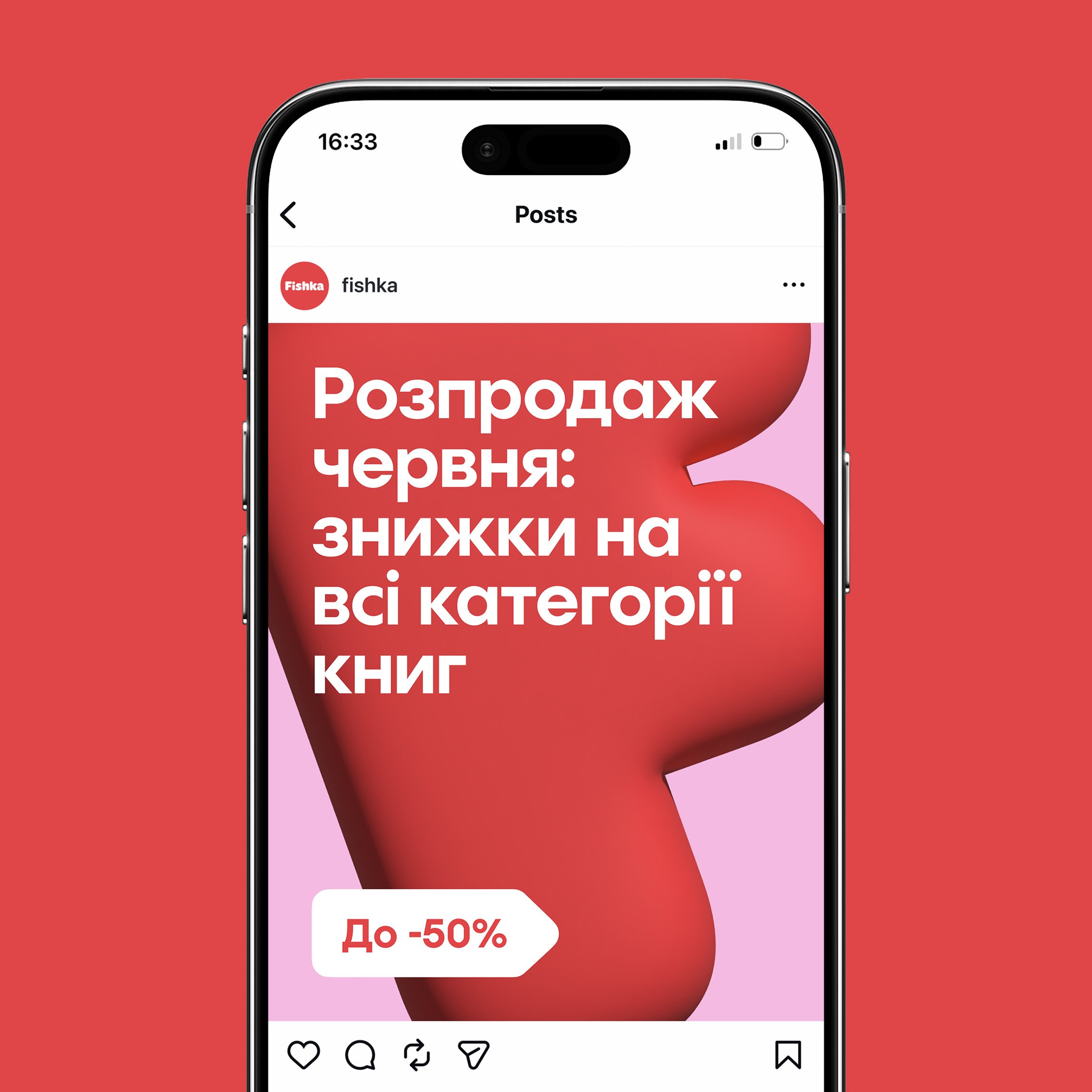
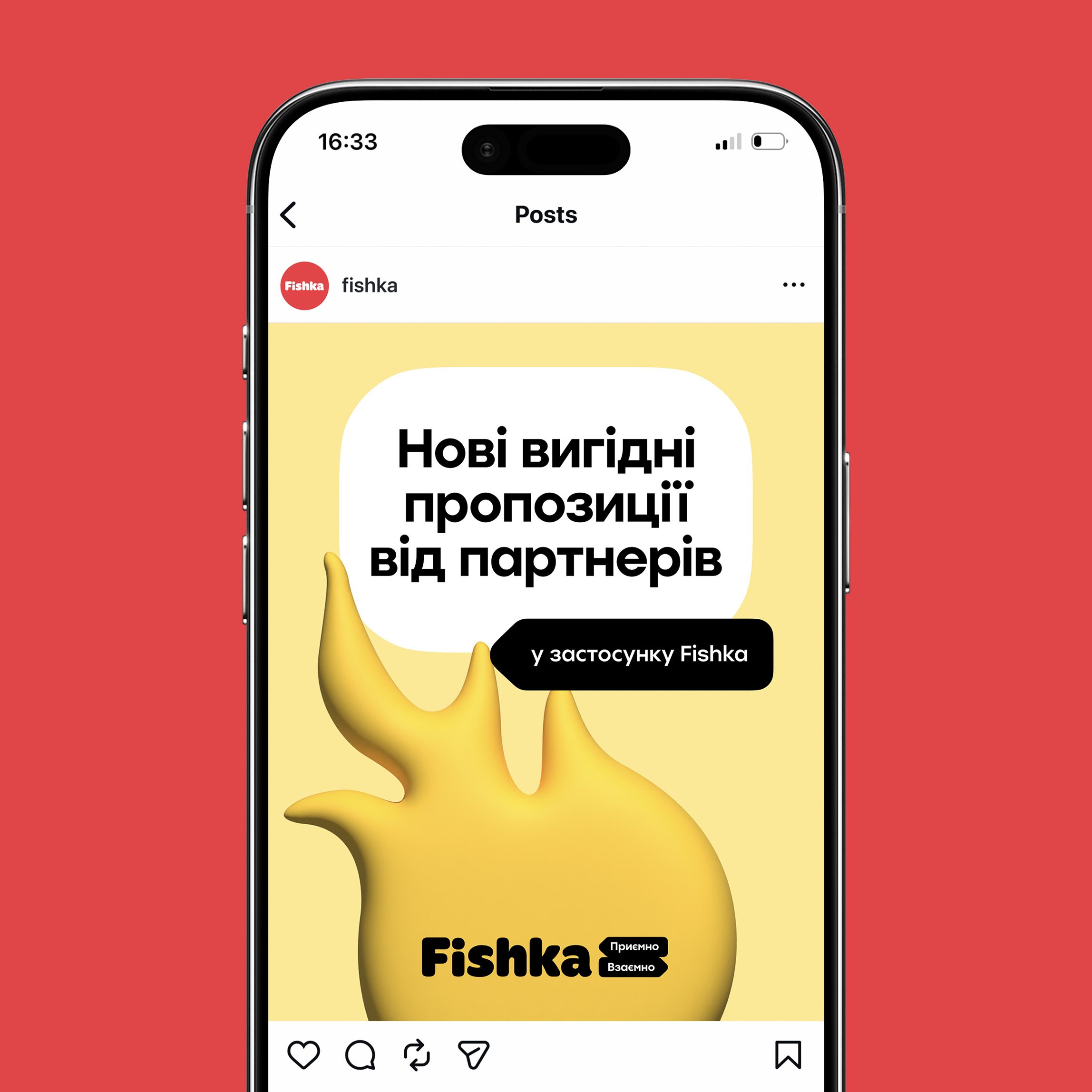
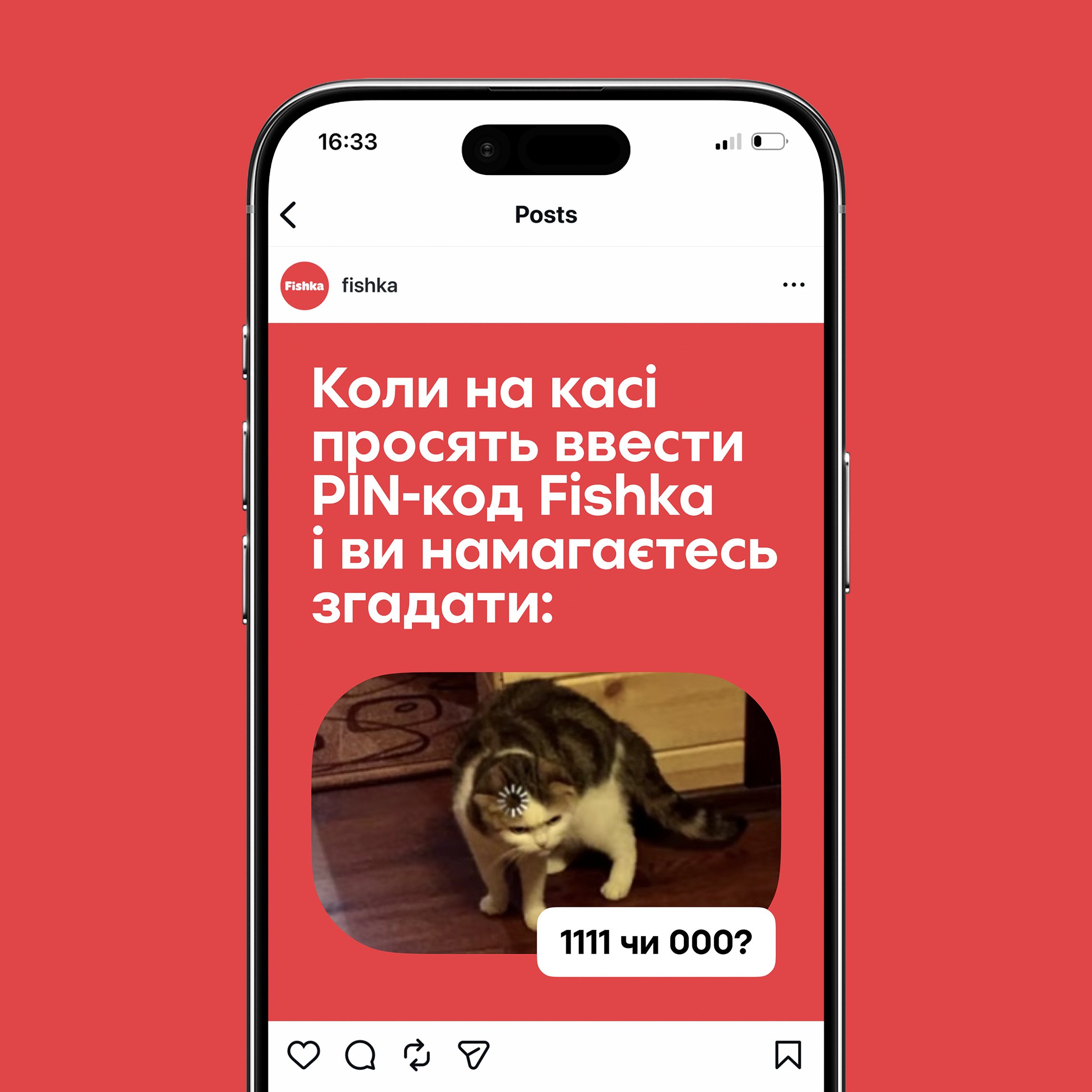
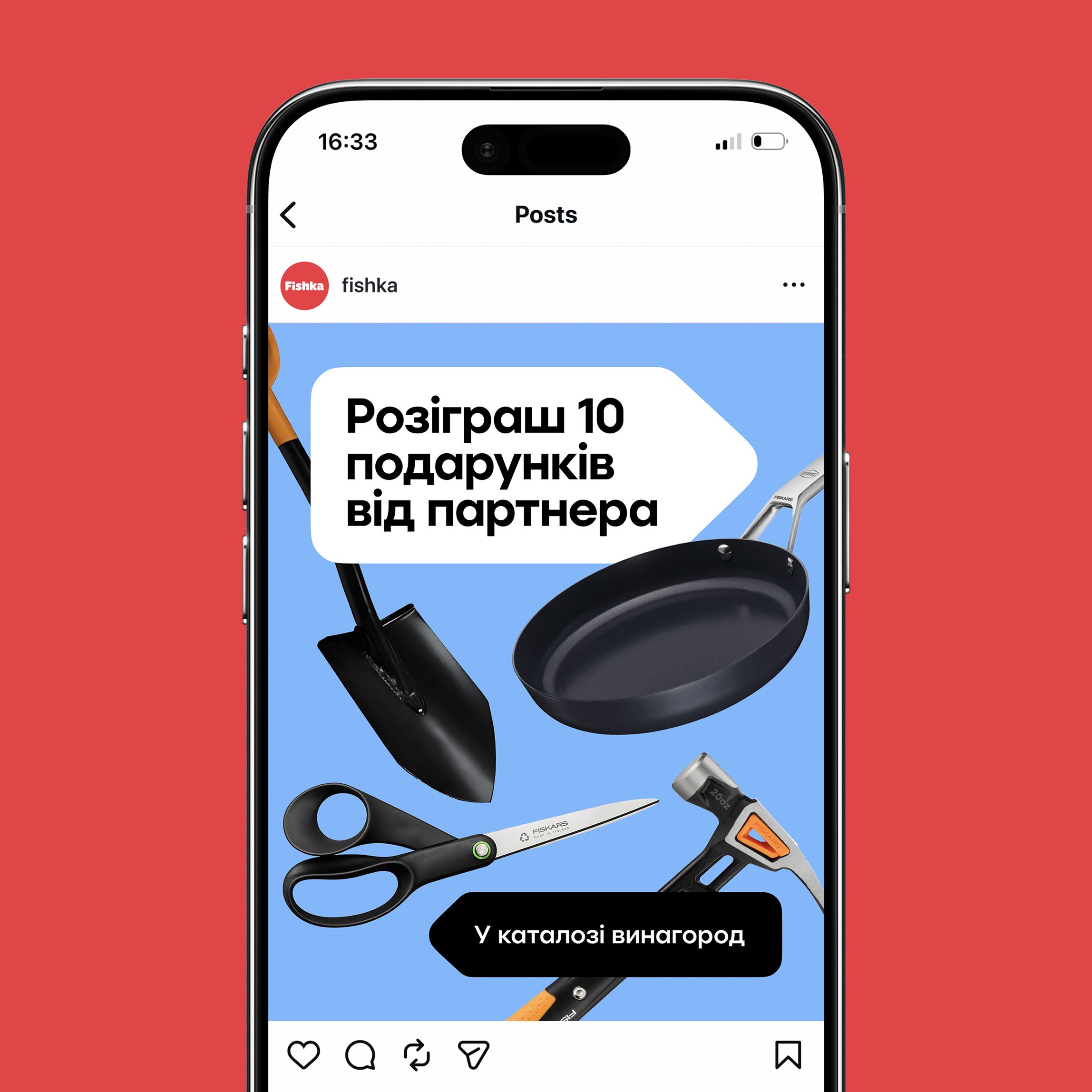
Fishka has two audiences: B2B and B2C. With both, we wanted to convey the idea of reciprocity. The brand had to communicate benefits on behalf of many partners in Fishka’s channels while avoiding clashing tones of voice. So the updated brand voice has a complex architecture that sets out every possible scenario, combination and rule of communication. There is a system for Fishka itself, one for when Fishka communicates with partners, and one for when partners communicate in Fishka’s channels.